
At Magical Sprouts Nursery, we grow native milkweed, the essential host plant for monarch butterflies.
A host plant is the only plant where monarchs lay their eggs and where the caterpillars feed and grow, so without milkweed, monarchs cannot complete their life cycle.
Milkweed also provides nectar for many pollinators, including bees and other butterflies. By planting milkweed, you create habitat where it is needed most, supporting monarchs and a wide range of pollinators. Whether in a rain garden, sunny meadow, or a large container on your porch, each plant helps bring the magic of nature back to your space.
🪴Grown with purpose
Our milkweed is:
-
Locally appropriate to support monarch health and habitat
-
Free of pesticides that can harm pollinators
-
Nursery propagated, never wild dug
-
Grown with care for strong roots and healthy transplants
antelopehorn Milkweed
(Asclepias viridis)

A subtle beauty with greenish-white flowers tinged with purple and broad, smooth leaves. Antelopehorn Milkweed grows naturally in dry, open areas and is often found in prairies, fields, and along roadsides. Its distinctive flower clusters and low, spreading form make it an excellent choice for naturalized plantings and native gardens.
aquatic Milkweed
(Asclepias perennis)

A compact milkweed with delicate white flowers often touched with pink or purple. Unlike most milkweeds, Aquatic Milkweed naturally grows in wet areas and is well suited for rain gardens, pond edges, and other consistently moist spaces. Its lush green foliage and delicate blooms give it a softer appearance than many other milkweed species.
butterfly Milkweed
(Asclepias tuberosa)

A garden favorite known for its brilliant clusters of orange flowers. Butterfly Weed thrives in sunny, well-drained areas and develops a deep taproot that helps it handle dry conditions once established. Its vivid color and compact, upright form make it a standout in native gardens and sunny borders.
common Milkweed
(Asclepias syriaca)
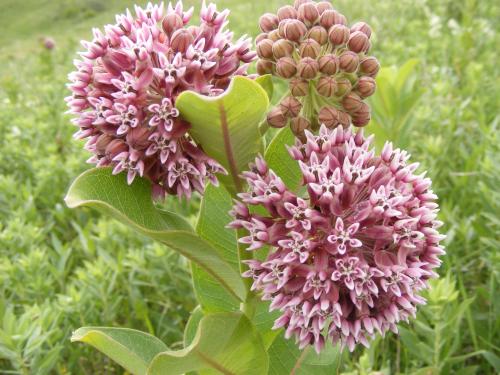
A hardy, upright milkweed known for its large, sweetly fragrant clusters of pink to lavender flowers. Common Milkweed spreads by underground rhizomes, gradually forming colonies that work especially well in meadows and naturalized areas. Its bold foliage, fragrant blooms, and classic milkweed appearance make it an unmistakable native.
honeyvine Milkweed
(CYNANCHUM LAEVE)

A fast-growing native vine with heart-shaped leaves and clusters of small white, star-shaped flowers. Unlike our upright milkweed species, Honeyvine climbs fences, trellises, and other supports and produces long, slender seed pods. Its vigorous twining growth makes it a unique choice for adding native milkweed vertically to the landscape.
👉 Learn more about Honeyvine Milkweed care
poke milkweed
(ASCLEPIAS EXALTATA)

A graceful woodland milkweed with broad leaves and loosely hanging clusters of white flowers touched with pink and purple. Unlike many milkweeds that prefer open sun, Poke Milkweed naturally grows along woodland edges and in dappled light. Its nodding flowers and elegant form give it a distinctive woodland character.
Swamp Milkweed
(Asclepias incarnata)

An elegant native milkweed with narrow leaves and beautiful clusters of deep pink flowers. Swamp Milkweed naturally thrives in moist areas, making it especially well suited for rain gardens, pond edges, and other areas where the soil stays damp. Its showy blooms and refined foliage also make it an attractive addition to traditional garden beds.
tall green Milkweed
(ASCLEPIAS HIRTELLA)

A distinctive upright milkweed with slender leaves and rounded clusters of pale green to greenish-white flowers. Tall Green Milkweed naturally occurs in prairies and other open areas and prefers sunny, well-drained sites. Its narrow foliage and understated green blooms give it a very different look from more colorful milkweed species
👉 Learn more about Tall Green Milkweed care
whorled milkweed
(ASCLEPIAS VERTICILLATA)

A delicate, fine-textured milkweed easily recognized by its very narrow leaves arranged in whorls around the stem. Whorled Milkweed produces clusters of small white to greenish-white flowers and handles dry, sunny conditions well. Its airy foliage gives it a light, graceful appearance that works beautifully in borders, meadows, and naturalized plantings.
🌱 Growing for Spring 2027
We’re working on expanding our native milkweed collection for Spring 2027! Several new species are currently in propagation, and while availability will depend on successful germination and growing conditions, we’re excited to see what the season brings.
Take a peek at what we’re hoping to add!
clasping milkweed
(Asclepias amplexicaulis)
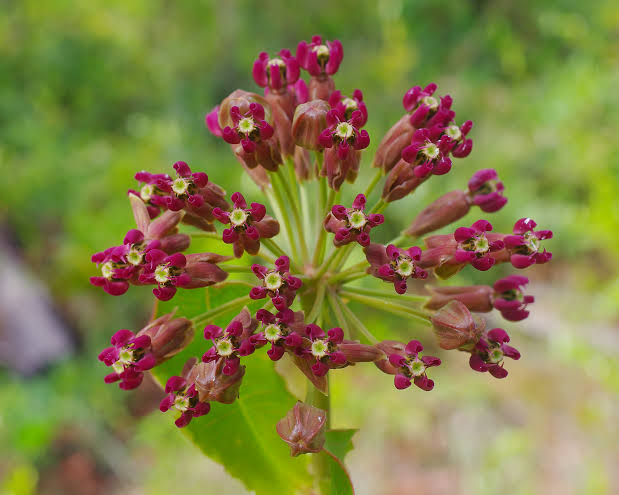
A unique native milkweed with broad, wavy leaves that wrap around, or “clasp,” the stem. Clasping Milkweed produces fragrant clusters of pink and purple flowers and naturally grows in dry, open areas. Its unusual foliage and showy blooms make it a distinctive addition to native and naturalized gardens.
👉 Learn more about Clasping Milkweed care
purple milkweed
(Asclepias purpurascens)
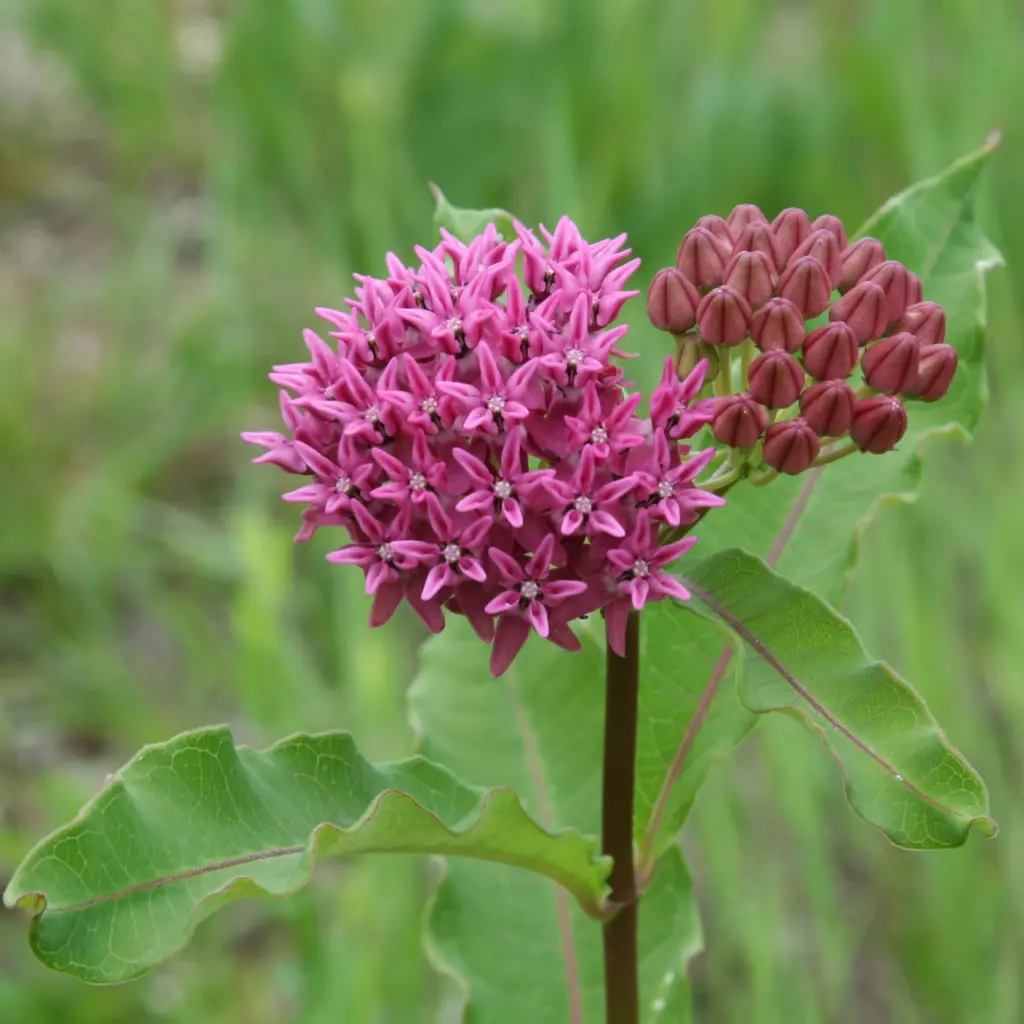
A beautiful native milkweed with broad leaves and rich rose-purple flower clusters. Purple Milkweed is similar in appearance to Common Milkweed but stands out for its deeper, more vibrant flower color. It is a striking choice for native gardens, woodland edges, and naturalized plantings.
redring milkweed
(Asclepias variegata)
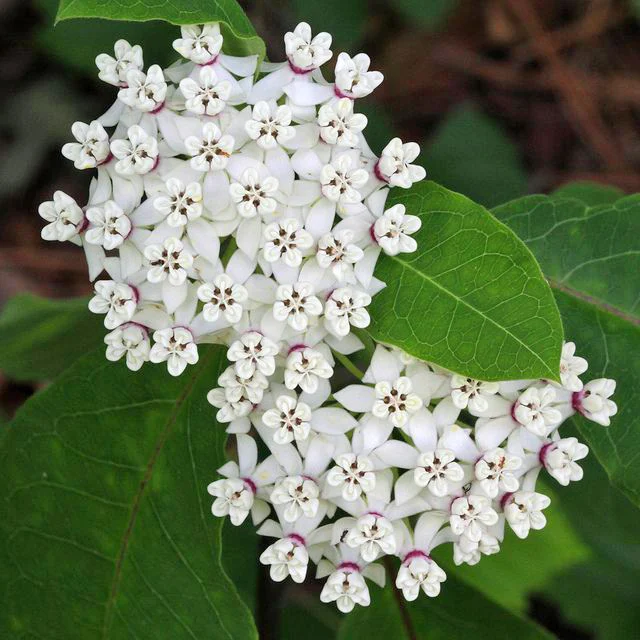
A striking native milkweed with rounded clusters of white flowers accented with deep purple at their centers. Redring Milkweed is naturally found in open woodlands and along woodland edges, setting it apart from many sun-loving milkweeds. Its beautiful two-toned blooms make it one of our most distinctive native milkweed species.
short green milkweed
(Asclepias viridiflora)
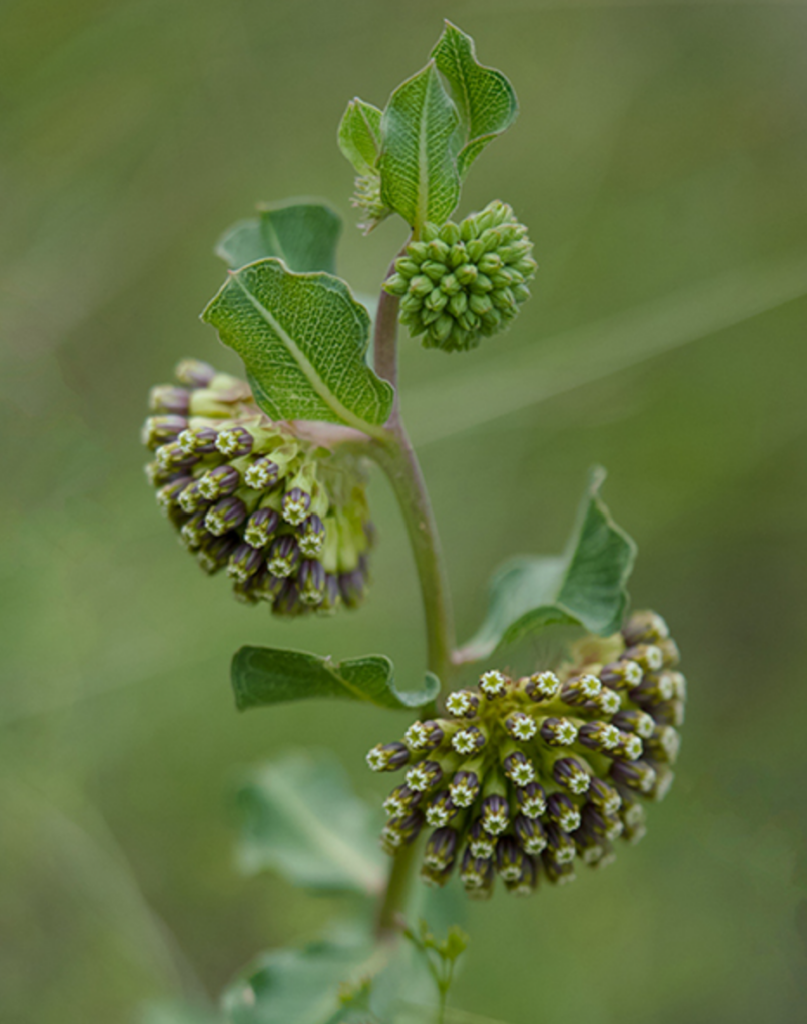
A distinctive native milkweed with broad leaves and rounded clusters of pale green flowers. Short Green Milkweed is naturally found in prairies, glades, and other open areas and does well in dry, sunny conditions. Its subtle green blooms and compact appearance make it an interesting addition to naturalized and native plantings.